How I found my perfect tent
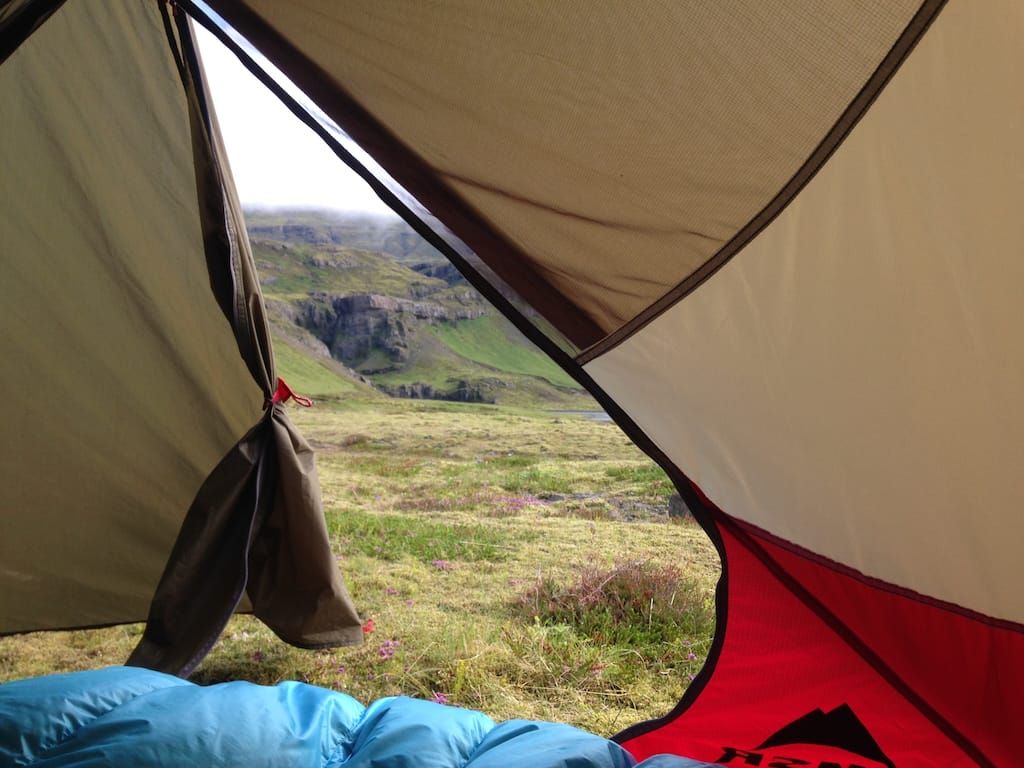
When I think about the first tent I owned, I think about the stars I watched through its mesh while camping next to a lake in British Columbia. I remember the somewhat too close-to-civilization wild camping spots while cycling from Berlin to Copenhagen. And I smirk about the lesson I learned on my first visit to Iceland, when I woke up with the sidewall fabric in my face in the middle of the night, because I had not expected the wind to pick up this much. I hadn't driven the pegs of my trusted MSR Hubba Hubba NX 2 (1.72 kg) into the soil when setting up on a rather exposed hill (the photo turned out beautifully, of course).
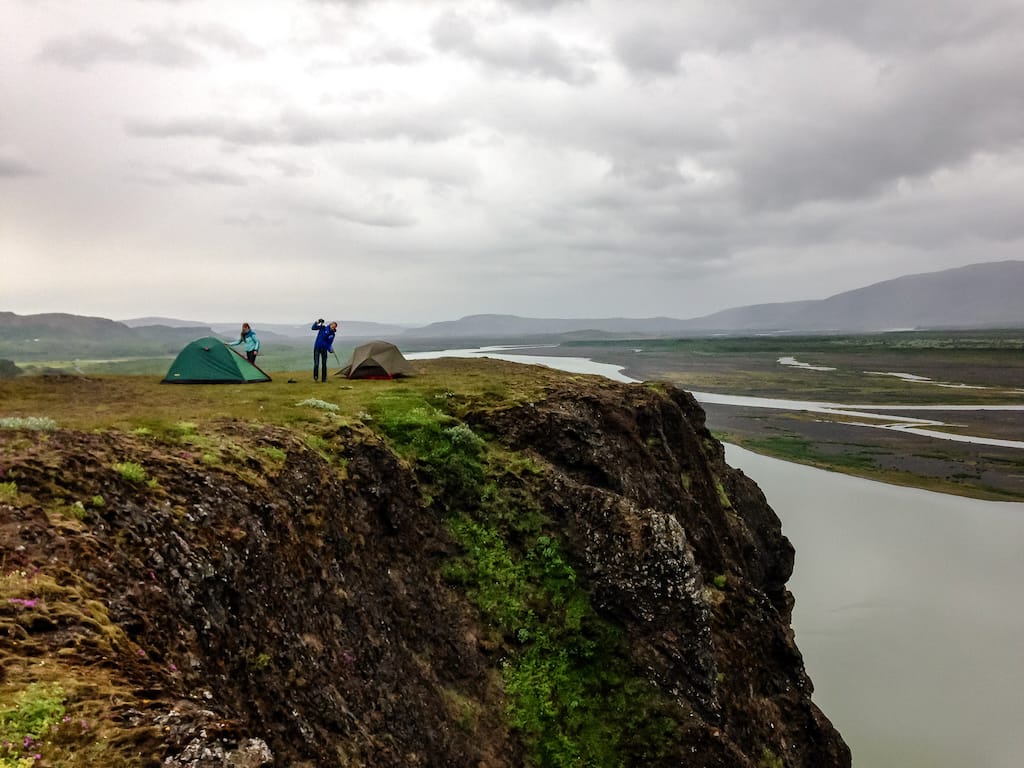
Now, whenever I see the same tent out in the wild somewhere, I get a bit melancholy. I still think it's one of the best tents out there. It's quite sturdy and light, free-standing and just looks friendly and cosy.
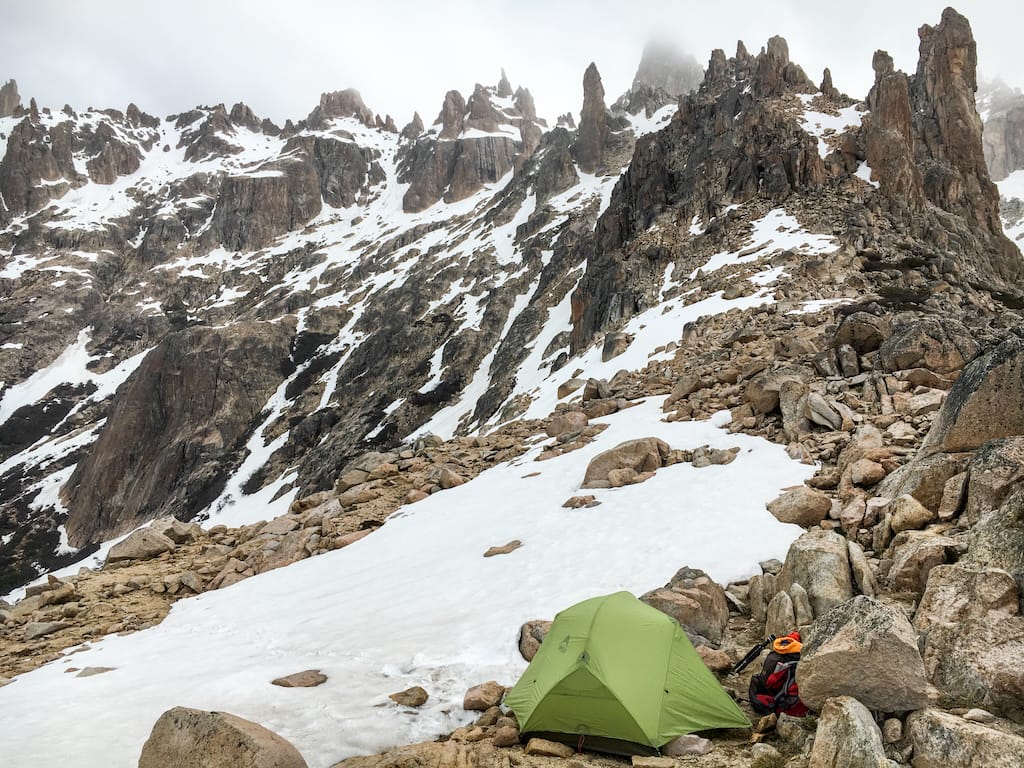
But then I started bikepacking (the beginning of all gear problems, really). Suddenly smaller and lighter meant going faster and further. One day I found a lighter version of the Hubba Hubba, the MSR Freelite 2 (1.06 kg), which was indeed a lot lighter and smaller in packing volume, but as it was only half free-standing, the ceiling lower, and the whole thing, well, primarily functional, it never gave me the cave-y at home feeling, that the Hubba Hubba did.
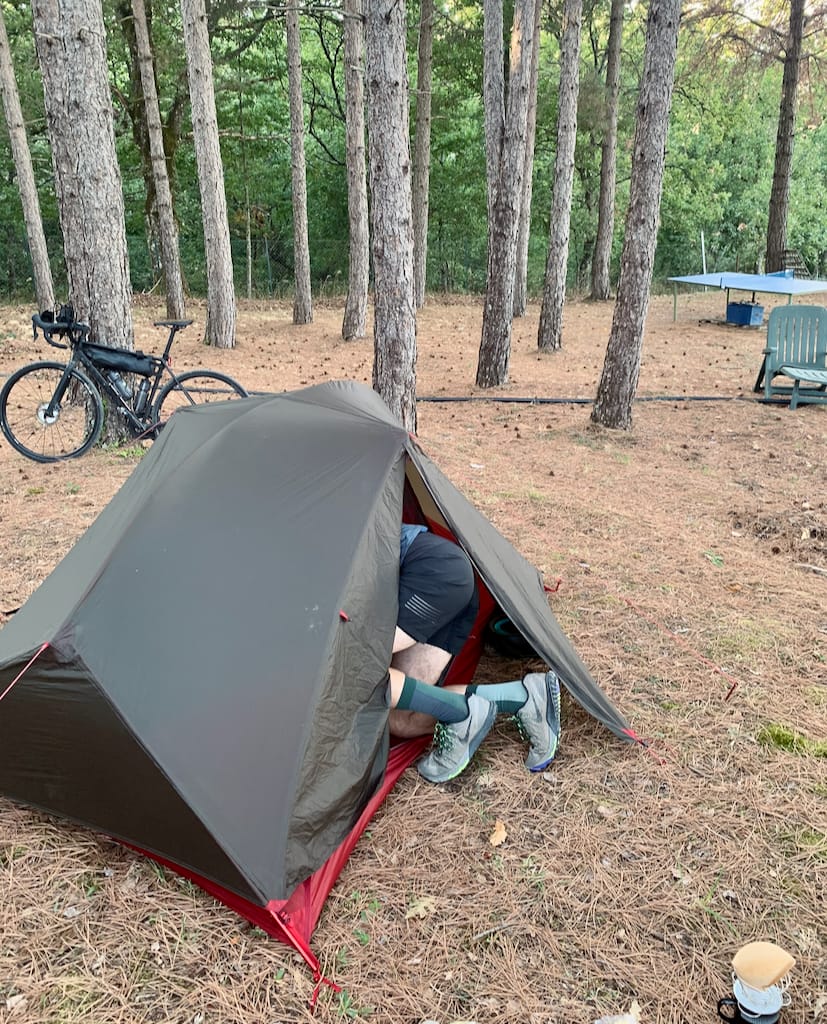
I didn't use it much due to personal reasons (having a baby, etc.) and was gifted a Big Agnes Fly Creek UL 2 (1.01 kg) from my former employer (long story that involves an ancient Italian castle with less rooms than needed for the whole company) just in time when I started adventuring again. It was even lighter and smaller than the Freelite 2 and came in "Solution Dye", meaning the outer fabric isn't dyed. Which is a lot more sustainable, as the dyeing process of fabrics comes with toxic waste and higher carbon emissions (Field Mag recently wrote about the rise of undyed fabrics here).
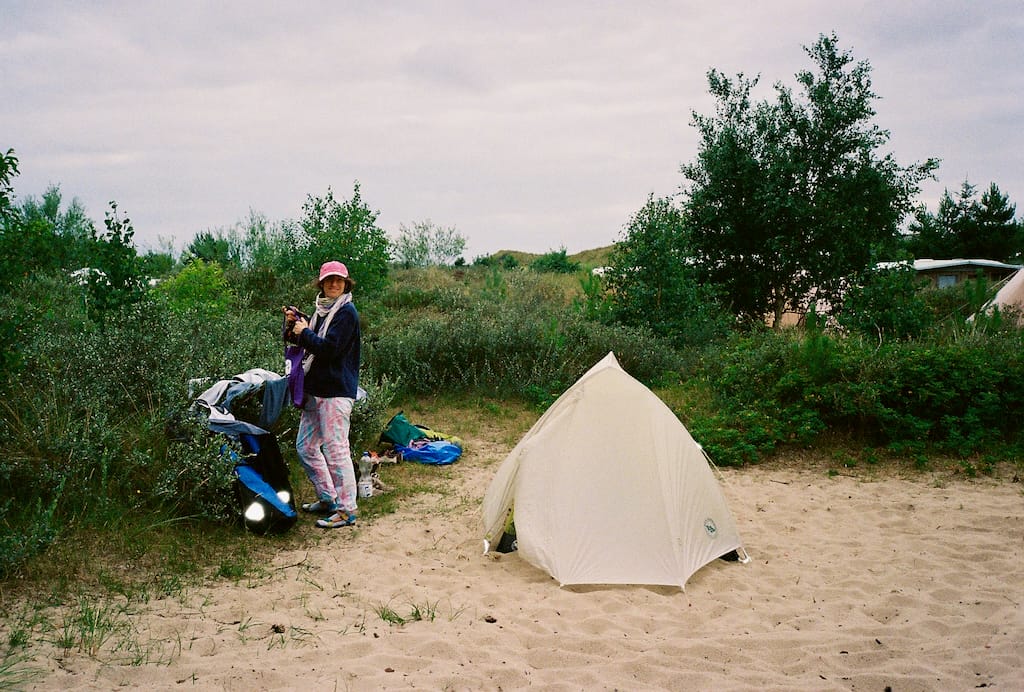
Plus, it makes the inside of the tent quite bright, which is great to save battery during dusk and dawn, and not so great if you can't sleep when it's bright (not me, luckily).
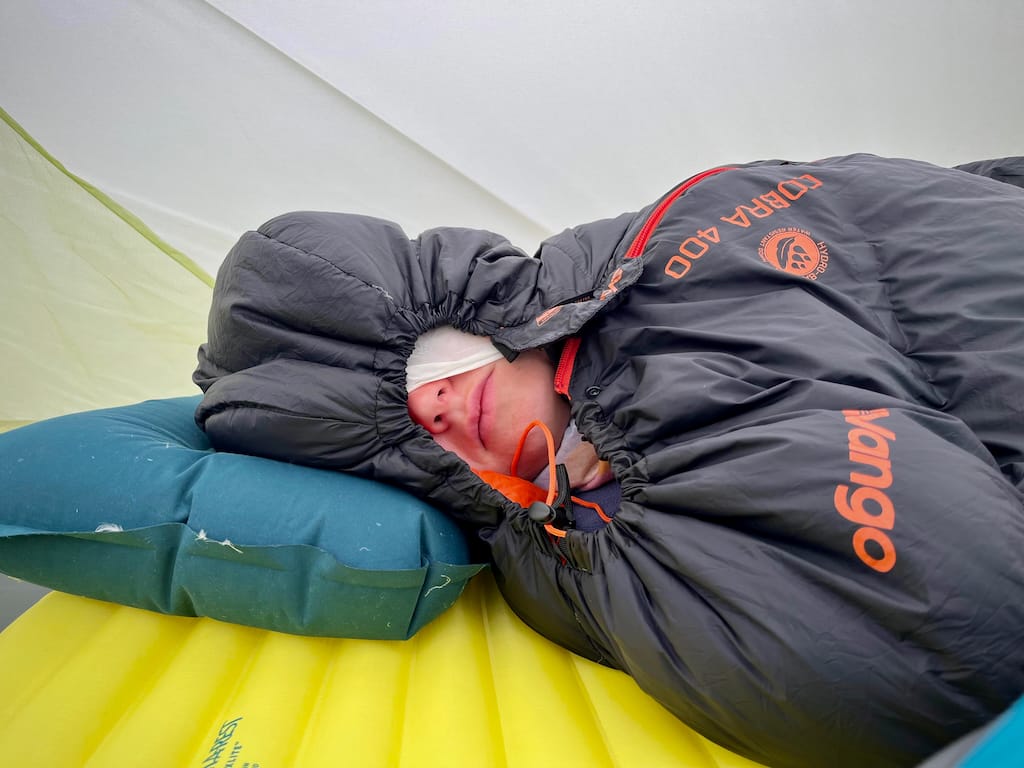
The Fly Creek UL 2 has been a reliable companion on my adventures, one of which being my bikepacking trip to Iceland's Westfjords ("The least FOMO week ever", as my friend Daniela likes to put it). When I have the packing capacity, I'll bring my Exped Airmat HL DUO mattress (this is the newer version) which covers the whole floor and makes it easier to sleep on your stomach (yup, me). Sometimes, when I travel by car, I'll even bring a bed sheet to sleep like a princess for a night.
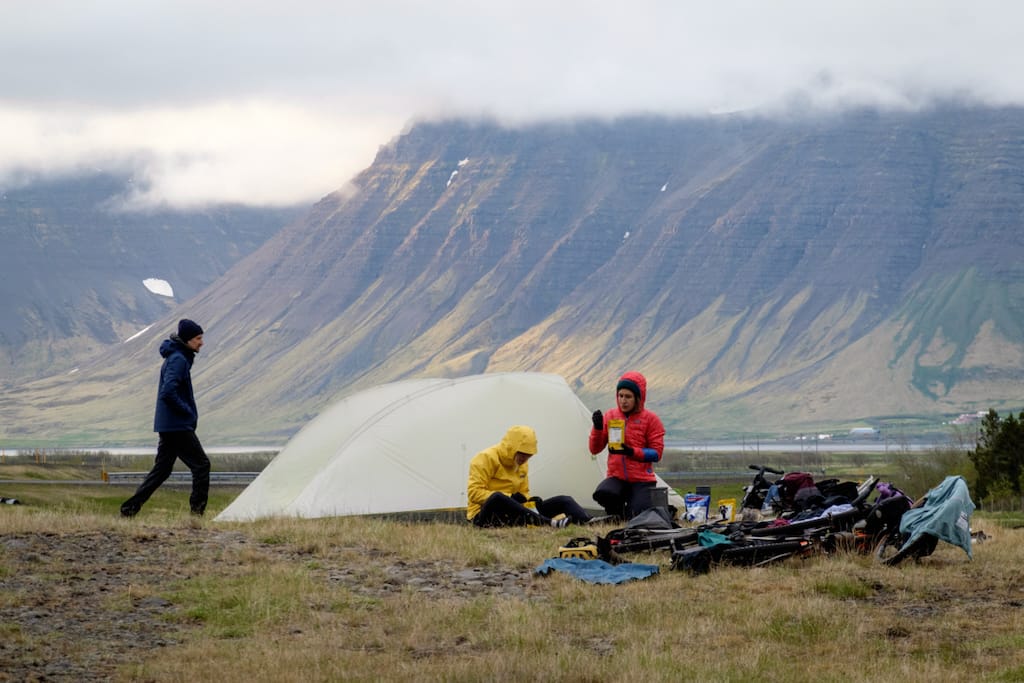
I'm such a big fan of the Fly Creek, I bought a similar three-person version (1.33kg), too (partly financed by selling the Freelite 2), so we could bring it on family bikepacking trips. And I would wholeheartedly recommend both of them. Though just in case I'll ever ride another ultra, I might just switch it for a bivy bag (lighter, less comfortable – where is this going to end? 😱)
So how does one pick the perfect tent?
Would I recommend my tent to just anyone? Probably not. Finding your perfect tent depends on what your adventures generally look like. How do you pack it (backpack, bikepacking bags, panniers, car), other limiting factors (budget, weight, packing volume, body size, free-standing or not, insulation).
Today I'm going to share a well-kept secret with you. Whenever a friend asks me what tent they should buy, I'll go the Bergfreunde website, navigate to the tents, open the filters and enter my friend's specifics. The page's filters cover all the tent characteristics out there and once you put in your price range and weight, that already gives you a good overview of what's currently on offer. Then I usually go to a second hand website and check if someone is selling an almost new piece - as with any other gear I lay my eyes on. But that's for another post.
So here you go, one less reason to talk to me when you need advice, friends. Though I'll still happily discuss tent options any time, day or night.
What‘s your favorite tent? And why? Let me know in the comments.
Happy camping,
Stephanie